Demystifying Content Delivery Networks (CDNs): How They Work and Their Impact on Website Performance
In today's digital age, website performance plays a crucial role in user experience and search engine rankings. Content Delivery Networks (CDNs) have emerged as powerful tools to enhance website speed, reliability, and scalability. In this comprehensive guide, we'll delve into the inner workings of CDNs, explore their impact on website performance, and discuss best practices for integrating CDNs into your web infrastructure. Let's unravel the mysteries of CDNs and understand how they revolutionize content delivery on the internet.

Understanding CDNs: An Overview
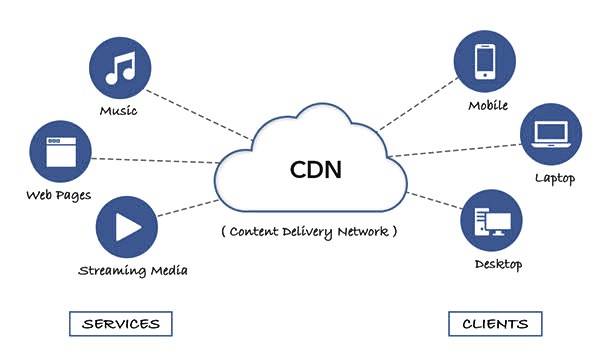
Content Delivery Networks (CDNs) are distributed networks of servers strategically positioned across various geographical locations. Their primary function is to deliver web content, such as HTML pages, images, videos, and other media files, to users quickly and efficiently. CDNs work by caching content on edge servers located closer to end-users, thereby reducing latency and improving website performance. By leveraging CDNs, websites can handle high traffic loads, mitigate the impact of network congestion, and deliver content reliably to users worldwide.
How CDNs Work: The Inner Mechanics
At the core of a CDN's operation lies a network of edge servers, also known as Points of Presence (PoPs), strategically located in different regions. When a user requests content from a website, the request is routed to the nearest edge server rather than the origin server where the content is hosted. This proximity-based routing minimizes the distance data needs to travel, reducing latency and accelerating content delivery.
Upon receiving a request, the edge server checks if it has the requested content in its cache. If the content is available, the edge server delivers it directly to the user, bypassing the origin server altogether. This process, known as caching, eliminates the need for the origin server to handle every request, thereby offloading traffic and reducing the load on the origin infrastructure.
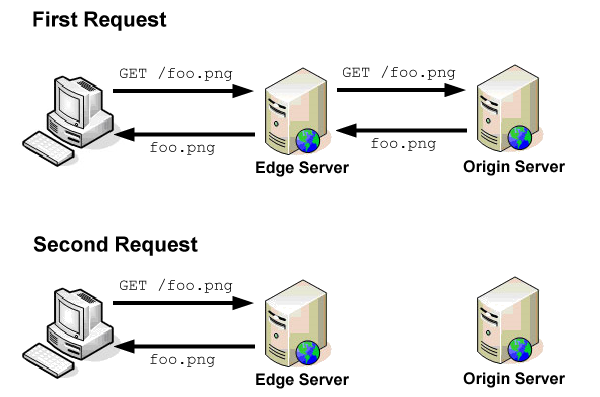
In cases where the requested content is not cached locally, the edge server retrieves it from the origin server and caches it for future requests. Subsequent requests for the same content can then be served directly from the edge server's cache, further optimizing delivery speed and reducing reliance on the origin server.
Benefits of CDNs for Website Performance
Integrating CDNs into your web infrastructure offers a multitude of benefits for website performance and user experience:
Improved Load Times
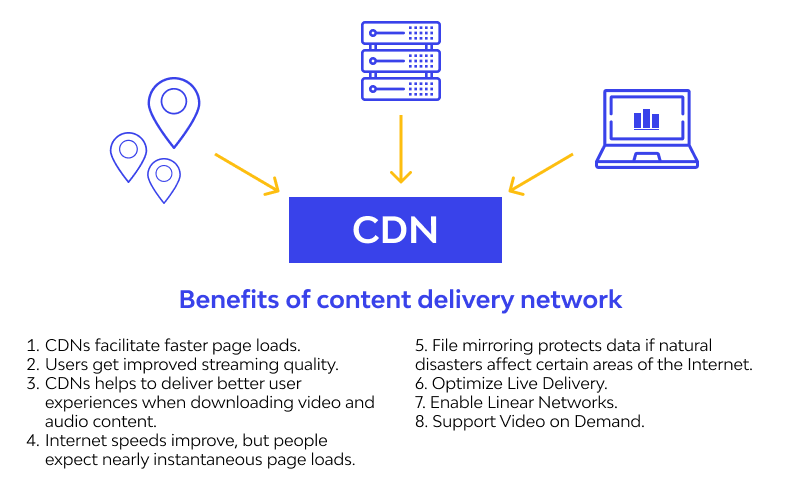
By caching content closer to end-users, CDNs reduce the time it takes to retrieve and deliver web assets, resulting in faster load times for web pages and media files.
Reduced Latency
Proximity-based routing ensures that content is served from the nearest edge server, minimizing latency and improving responsiveness, particularly for users accessing the website from distant locations.
Enhanced Scalability
CDNs help distribute traffic across multiple edge servers, allowing websites to handle sudden spikes in traffic without experiencing downtime or performance degradation.
Increased Reliability
With content replicated across multiple edge servers, CDNs offer redundancy and fault tolerance, ensuring consistent availability even in the event of server failures or network issues.
Bandwidth Savings
By offloading traffic from the origin server and serving cached content locally, CDNs reduce bandwidth consumption and alleviate strain on the origin infrastructure, leading to cost savings for website owners.
SEO Benefits of CDNs
In addition to improving website performance, CDNs offer several SEO benefits that can positively impact search engine rankings:
Faster Page Speed
Page speed is a crucial ranking factor for search engines like Google. By delivering content quickly to users, CDNs contribute to faster page load times, which can improve your website's search engine ranking and user experience.
Improved User Experience
A fast and responsive website enhances user satisfaction and engagement, factors that search engines consider when ranking websites. CDNs play a pivotal role in delivering a seamless browsing experience, thereby indirectly influencing search engine rankings.
Reduced Bounce Rates
Slow-loading websites often experience higher bounce rates, as users are more likely to abandon a page that takes too long to load. By accelerating content delivery, CDNs help reduce bounce rates, signaling to search engines that your website offers valuable and engaging content.
Global Reach
CDNs enable websites to deliver content to users worldwide with minimal latency, regardless of their geographical location. This global reach enhances the accessibility of your website and expands your audience reach, potentially improving your search engine visibility and ranking in international markets.
Best Practices for CDN Implementation
To maximize the benefits of CDNs and ensure optimal performance, consider the following best practices for CDN implementation:
Choose a Reliable CDN Provider
Select a reputable CDN provider with a global network of edge servers and a track record of reliability and performance. Evaluate factors such as network coverage, uptime guarantees, customer support, and pricing plans before making a decision.
Optimize Cache Control Policies
Configure cache control headers and policies to control how content is cached and served by the CDN. Utilize cache invalidation mechanisms to ensure timely updates to cached content and prevent the serving of stale or outdated content to users.
Leverage HTTP/2 and HTTPS
Enable HTTP/2 protocol support and HTTPS encryption to leverage advanced features such as multiplexing, header compression, and secure data transmission. HTTP/2 improves content delivery speed and efficiency, while HTTPS encryption enhances security and trustworthiness.
Implement Mobile Optimization
Implement Mobile Optimization: With an increasing number of users accessing websites from mobile devices, prioritize mobile optimization when implementing CDNs. Ensure that CDN configurations and optimizations are tailored to deliver fast and responsive experiences across various devices and screen sizes.
Monitor and Analyze Performance
Regularly monitor CDN performance metrics such as latency, throughput, cache hit ratio, and error rates to identify potential issues and optimize CDN configurations. Use monitoring tools and analytics dashboards provided by the CDN provider to gain insights into website performance and user behavior.
Content Delivery Networks (CDNs) play a pivotal role in optimizing website performance, enhancing user experience, and improving search engine rankings. By leveraging CDNs to cache and deliver web content efficiently, websites can achieve faster load times, reduced latency, and increased reliability, ultimately driving higher engagement and conversions. Implementing CDNs following best practices ensures optimal performance and unlocks the full potential of your web infrastructure in today's digital landscape.
Thanks a lot for reading this article. If you like this post, please subscribe to our newsletter to get your weekly dose of financial advice straight into your inbox. Follow us on Twitter for regular updates!
2 Comments
Jordan Singer
2d2 replies
Santiago Roberts
4d